Connect with us

Narcotrafficking

Bashar al-Assad’s cousin arrested for narcotrafficking

Wassim Badi al-Assad played a prominent role in the Captagon crisis in the Middle East. He is now being brought to justice by Syria.

Published

on

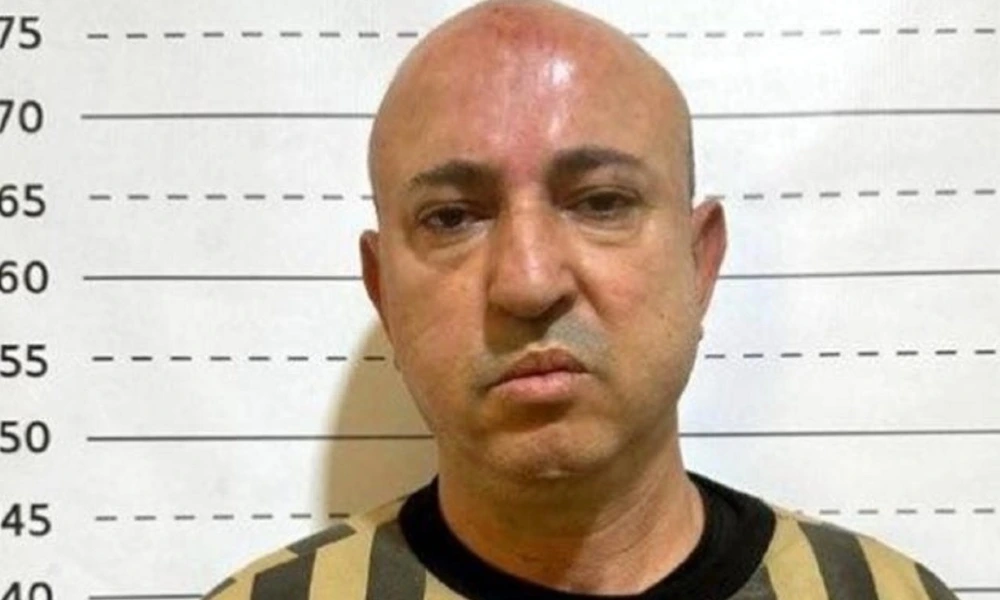
Wassim Badi al-Assad, a bald man wearing a striped prison uniform stands against a height chart with measurement lines in the background, facing the camera with a neutral expression. Description generated with AI.
Wassim Badi al-Assad © Syria Interior Ministry

Wassim Badi al-Assad, one of Bashar al-Assad’s cousins, has just been arrested on drug trafficking charges. The Interior Ministry announced this on the weekend. The country recently seized large quantities of Captagon.

This substance is a psychostimulant and a derivative of amphetamine. It « has gained notoriety as a drug used by combatants in the Syrian war who reportedly used it to increase aggression, alertness and fearlessness », according to researchers.

The dedicated court has yet to rule on Wassim Badi al-Assad’s involvement in this drug trafficking scheme. However, multiple reports have already confirmed that the defunct Ba’athist regime was funded by the production of Captagon.

Wassim Badi al-Assad is distrusted globally

Wassim Badi al-Assad’s fate under the new Syrian regime is still unclear. However, HTS, the political organisation now ruling the country, has already demonstrated its firm stance against drug trafficking. The law continues to potentially punish these offences with the death penalty.

On a global scale, Assad is also sanctioned by the United States. The US government considers him responsible for large-scale drug trafficking, leading to the seizure of his potential US assets. This is a risk also faced by members of the CJNG (Jalisco New Generation) cartel in Mexico.

The European Union has also sanctioned al-Assad. He is indeed facing a travel ban and financial restrictions, applying to member states. However, Captagon’s penetration there remains negligible compared to the Middle East.

An uncertain fate for drug users in Syria

Syrian consumers could also be at risk of facing national regulation alongside narcotraffickers. It is common knowledge that many religious governments are responsible for severe repression of drug abuse. This is a priority in countries such as the Philippines, Cambodia and Iran, where capital punishment is still in force.

In Syria, addiction treatment centres similarly lack the capacity to address the high rate of drug abuse. The number of people affected has surged during the war, affecting a population of almost 25 million. Bashar al-Assad, who can be considered responsible, is still at large in Russia.

Health officials are aware that amphetamines damage cardiovascular health. These drugs, which are often illegal, can increase focus and productivity. This is one of their strengths on the frontline of violent wars. However, they can also cause death by overdose, like the more popular psychostimulant cocaine.

(source)

Continue Reading
Click to comment

Leave a Reply

Your email address will not be published. Required fields are marked *

Narcotrafficking

Colombian President Petro replies to Trump’s drug allegations

Donald Trump claims South American Presidents are involved in narcotrafficking. It could be false.
Published

on

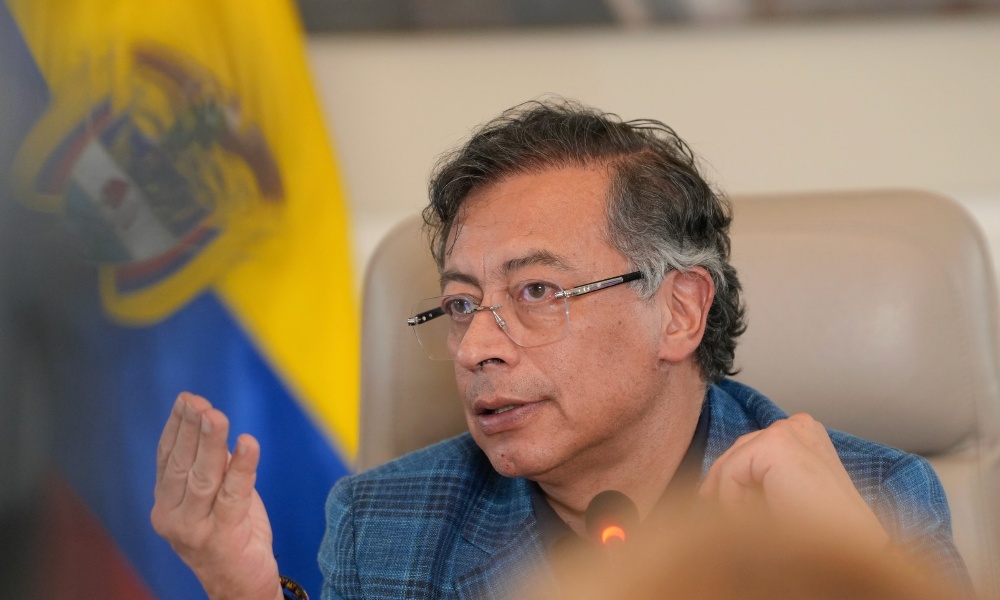
Gustavo Petro in a blue plaid jacket and glasses speaks into a microphone with a serious expression and hand gesture, seated in front of a blurred Colombian flag. The setting suggests an official or political context, likely a press conference or government meeting.

Colombia’s president Petro denied being involved in narcotrafficking, during a speech in Bogotá. His reply follows a recent quote from Donald Trump, accusing him of being a ‘drug leader‘. At the same time, the US administration released sanctions against the South American leader and his family.

On X, Gustavo Petro stated he had chosen lawyer Daniel Kovalik to defend him in this new case. The Treasury Department’s Office of Foreign Assets Control just added his family to the Clinton List. In other words, this freezes their properties and financial assets under US jurisdiction. Furthermore, it bans local citizens from conducting business with them.

Why does the war on drugs target Gustavo Petro?

According to Donald Trump, Gustavo Petro is ‘an illegal drug leader strongly encouraging the massive production of drugs‘. The White House also accuses his counterpart of doing ‘nothing to stop it‘, denied by Petro. Consequently, Trump decided to end aid to Colombia. However, it is not clear if he is the sole decision maker on the matter.

Moreover, Donald Trump has been repeatedly spotted spreading fake news. He declared having solved 8 wars, which has been largely debunked. Fact-checkers also highlighted tens of thousands of other false and misleading claims from the billionaire.

Thus, it is not clear what Trump aims for with those assumptions. Especially when the medias widely view the war on drugs as a policy failure. Instead, harm reduction and legalization have proven their efficiency in public health and market regulation.

US Navy strengthens operations in the Caribbean Sea

Vehemence against Colombia is part of a broader targeting of the entire Caribbean Sea. There, the US Armed Forces continue to strike vessels suspected of transporting narcotics. The United Nations condemns the strategy, considered as ‘extrajudicial executions‘.

Despite UN warnings, the US Navy just deployed the world’s largest aircraft carrier in the area. Powered by nuclear reactors, USS Gerald R. Ford may serve as a base for future attacks against South America.

Among the risks, land strikes may hit Venezuela. The Department of State also published a 50-million-dollar warrant aiming to capture Nicolas Maduro. U.S. executives accuse him of leading the Cartel of the Suns, but its existence is widely disputed.

Together, Colombia and Peru produce more than 85% of the coca leaves, according to the UNODC. The plant is essential to produce cocaine, a highly addictive stimulant. The drug transits to the US via Ecuador, Mexico and Venezuela. But the latter’s involvement is minimal compared to the other two.

(source)

Continue Reading

Narcotrafficking

How the Ukraine war fuels your cocaine home delivery

Drug cartels are training on the front lines of the war in Ukraine. Their drone operators have joined the fight to improve their skills.
Published

on

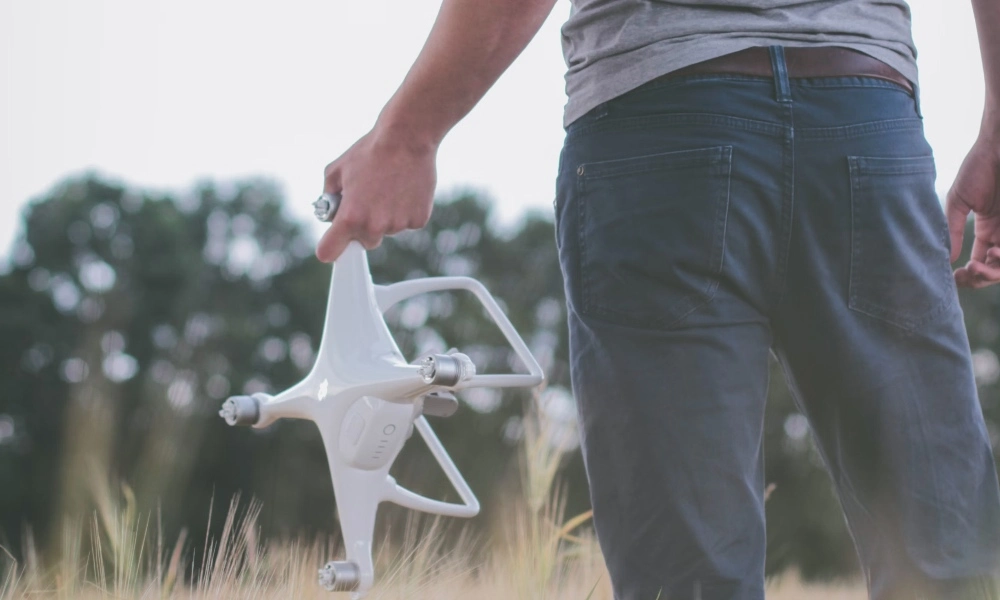
A person stands in a grassy field holding a white quadcopter drone by one of its arms, with their back turned to the camera. The image captures a relaxed, outdoor moment likely just before or after a drone flight. (description generated with AI)
© Unsplash / Christian Langenhan

A last-minute report by Intelligence Online has revealed that drug cartels are training their members on the frontline of the war in Ukraine. More specifically, Mexican drone operators have joined the fight to improve their own piloting skills.

Mexican intelligence services have directly warned their Ukrainian counterparts. The Eastern European country is known to welcome foreign fighters. They can earn the equivalent of up to $3,000 a month.

Drug cartels fly drones over the US-Mexico border, mainly for surveillance. This makes the crossing safer for illegal drug smugglers. The final products are then delivered to North American consumers, while Europe relies mainly on transatlantic boat shipments.

Drug traffickers rely on drones for many purposes

Border surveillance isn’t the only purpose of the cartels’ air fleets. In fact, the US authorities are currently confronted with a number of different strategies involving drones. These include drug traffickers using them to deliver fentanyl or methamphetamine.

They also use UAVs (unmanned aerial vehicles) to guide migrants through the desert, after some have already crossed the terrifying Darién Gap. People smuggling then generates revenue that is reinvested in the global illegal drug trade. In addition, explosive drones can directly target border patrols.

Mexican cartels aren’t the only criminals using drones for illegal purposes. In fact, many reports have detailed how inmates are receiving drugs in prison thanks to aerial delivery. We have seen cases in many countries, including the United States, the United Kingdom and France.

Cocaine cartels team up with former enemies in Ukraine

The cartel’s presence is ironically paired with that of Colombia’s drug war veterans on the front lines. However, it is still difficult to determine whether both profiles have already joined forces on the field against Russia.

In the long term, the knowledge gained from the war in Ukraine could really benefit the cocaine cartels. And it wouldn’t be the first time they’ve gotten involved on the ground in Europe, with some chemists already flying to the French Riviera to master the production of stimulants.

Today, cocaine is often ranked as the second most commonly used illicit drug in the world. Users enjoy it for its energising and disinhibiting effects. But the production of the white powder often rhymes with the destruction of the rainforest in South America, which is vital to humanity.

Continue Reading

Narcotrafficking

French authorities bar drug traffickers from receiving government welfare benefits

Published

on

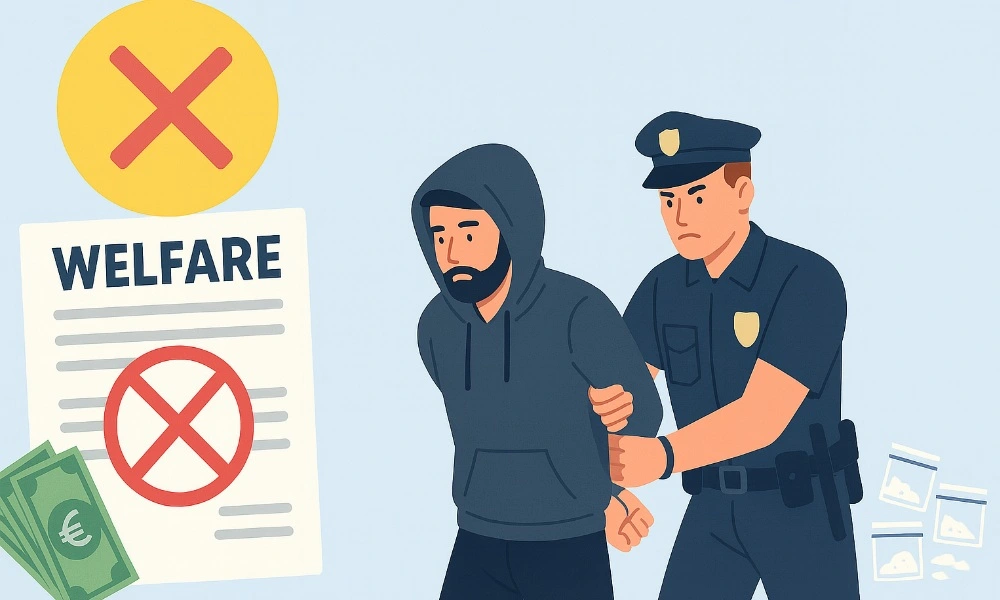
drug trafficker barred from welfare aid
© Kanard

Historically, radical right-wing leaders have ruled many major cities on the French Riviera. Along with mass surveillance and tourist attractions, the inhabitants also face there a new regulation. Indeed, the local public prosecutor just confirmed that convicted drug traffickers will be barred from accessing social welfare.

At first glance, this new measure seems like an effective way to deter potential criminals. Thus, the region could offer improved security to its residents, including many elderly people who crave peaceful surroundings. However, to our knowledge, no study has proven that this kind of measure could effectively slow the illegal drug trade.

Is it a counterproductive measure?

In 2000, a study of “women with drug convictions or pending felony drug charges” even worsened the potential effects of this counter-incentive :

92% of the women reported that even if they had known of the ban, it “would not have acted as a deterrent during active addiction.

Moreover, reintegration after prison isn’t ideal in France. Authorities often release convicted criminals without ensuring they have a source of income or legal opportunity. But if they can’t access social aid, they may turn to illegal activities to make money.

Cannes’ mayor, David Lisnard, also shared his own view on the matter. He explained that receiving “assistance or social housing is a benefit granted by society“. Therefore, it is “unthinkable to accept that someone who harms society should continue to receive assistance from it“.

More recognition for drug sales

Furthermore, revenues from illegal drug sales will now “be added to official resources when calculating social entitlements,” according to Ici. This is a new step towards broader recognition of this market, although it is still highly controversial in Western Europe and abroad.

The EUDA, the Union’s drug agency, reported around 7,000 deadly overdoses on the continent in 2022. Cannabis and cocaine were the most popular products, while opioids continue to kill dozens of thousands of Americans every year.

Widespread repression and censorship policies greatly influence this fatal rate. However, prevention has already proven its benefits to public health, as opposed to the risks of maintaining an international taboo.

Do you agree with this change implemented by the French judicial system?

(source)

Continue Reading

Trending